
How to Start a POS Business: A Step-by-Step Guide for Entrepreneurs
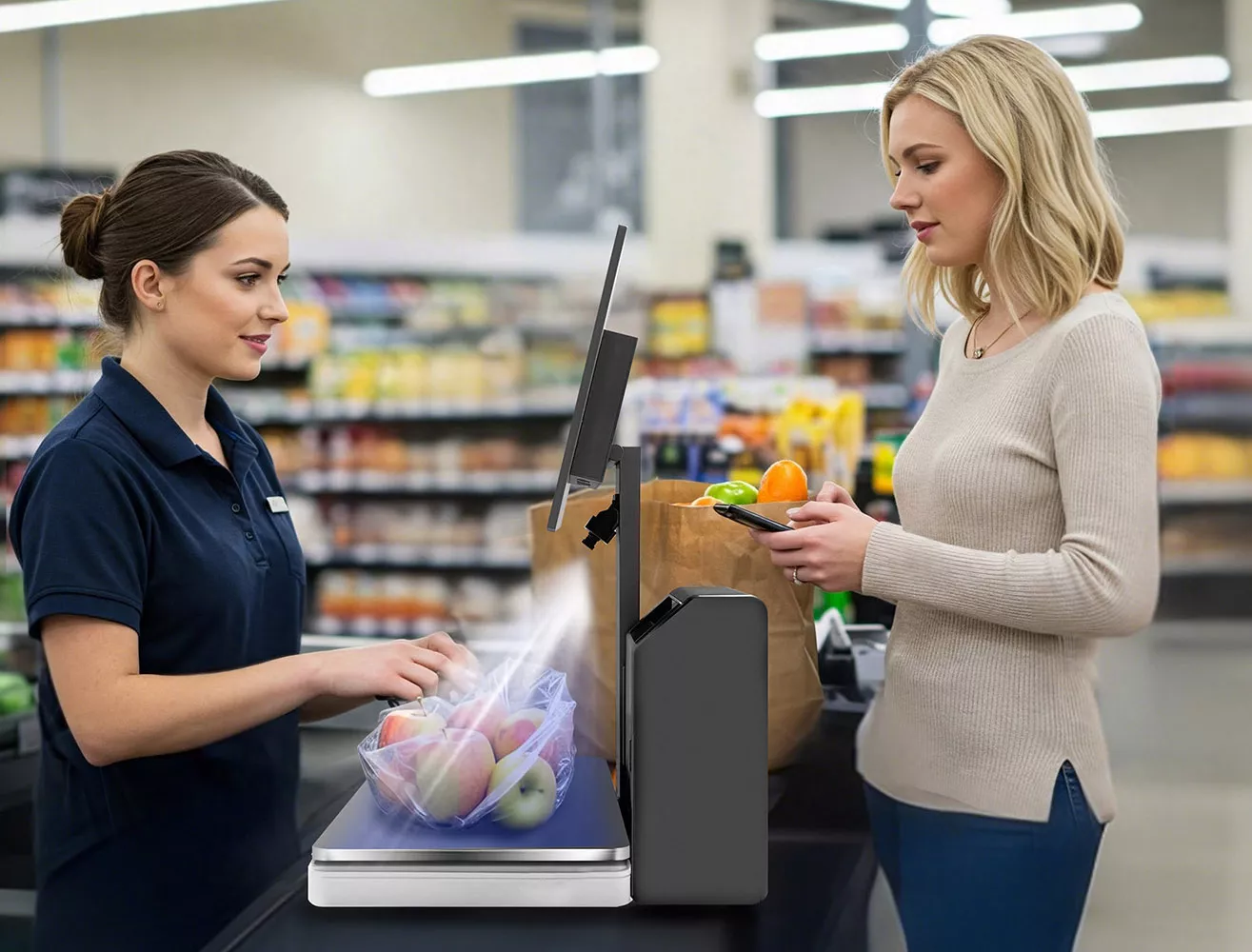
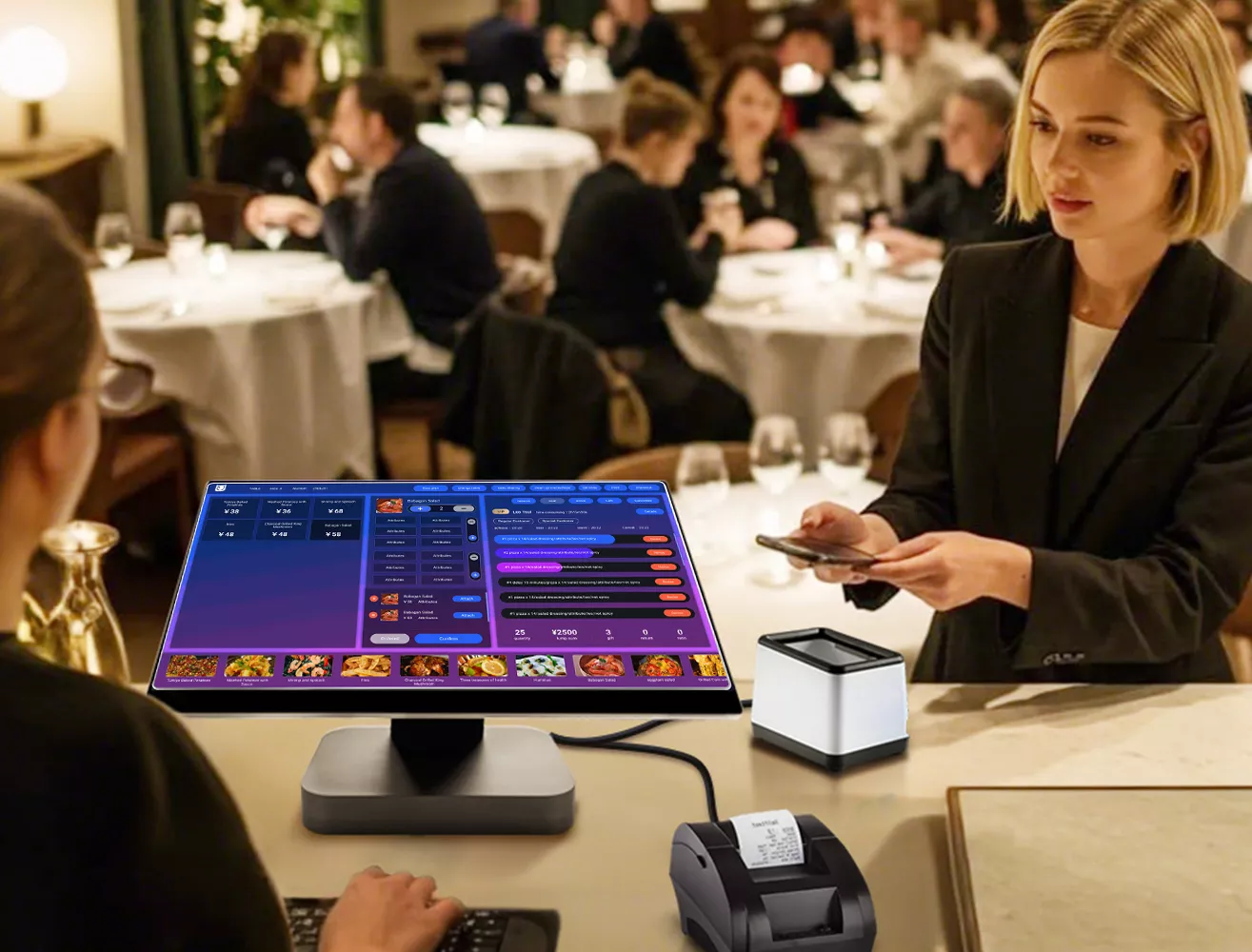
Starting a POS business can be a lucrative opportunity, especially for those with experience in retail or restaurant operations. However, the complexity of integrating POS hardware and custom POS software often poses a challenge. This step-by-step guide helps aspiring entrepreneurs understand how to launch a successful retail POS system or restaurant POS solution business.
Step 1: Understand the Market
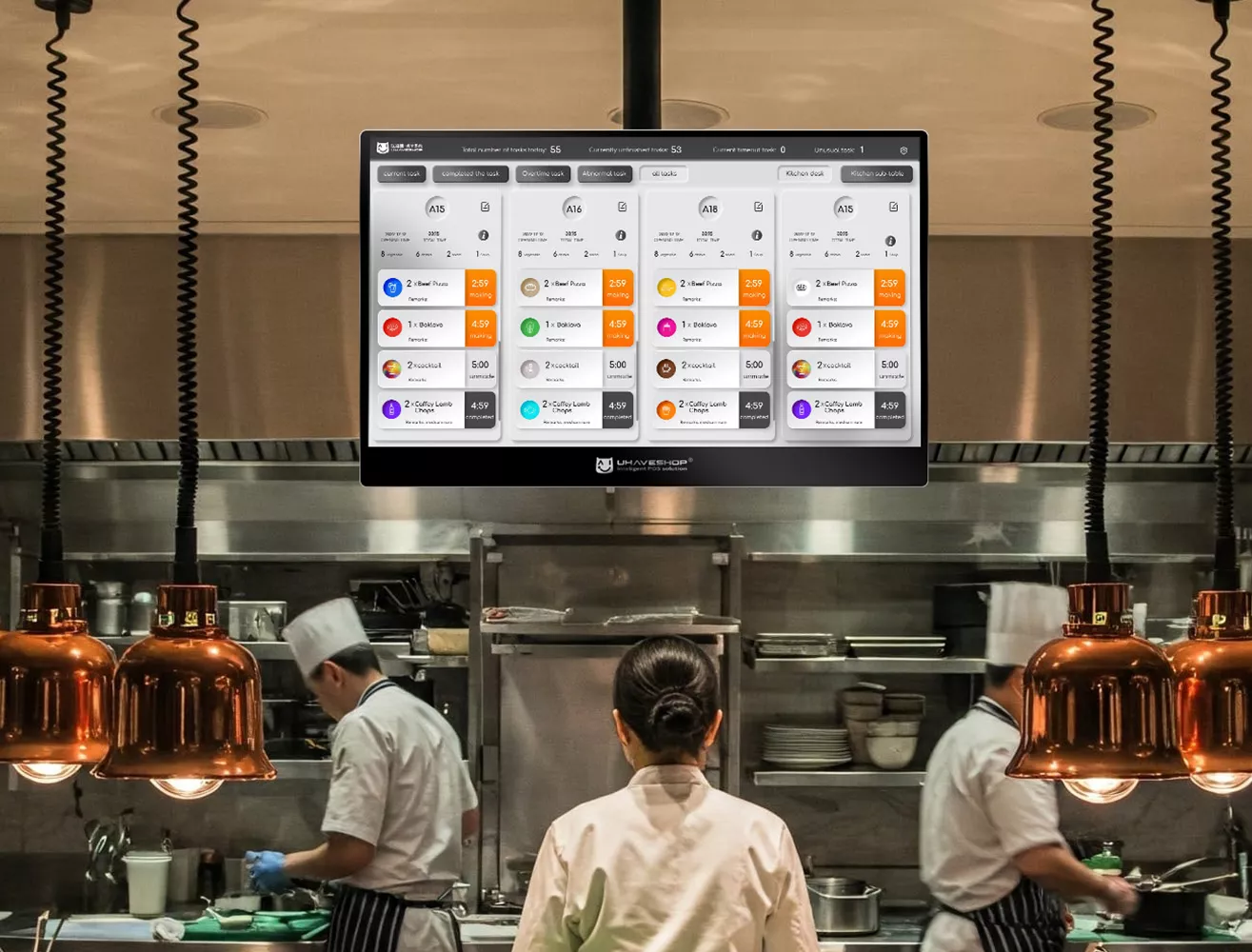
Before investing, it is crucial to research local market needs. Identify gaps in existing B2B POS solutions and determine what features businesses require. Retailers may need multi-terminal setups, inventory management, or loyalty programs, while restaurants might prioritize kitchen integration, mobile ordering, and queue management. Understanding these needs will guide your choice of a POS system manufacturer or POS hardware supplier.
Step 2: Choose the Right POS Partner
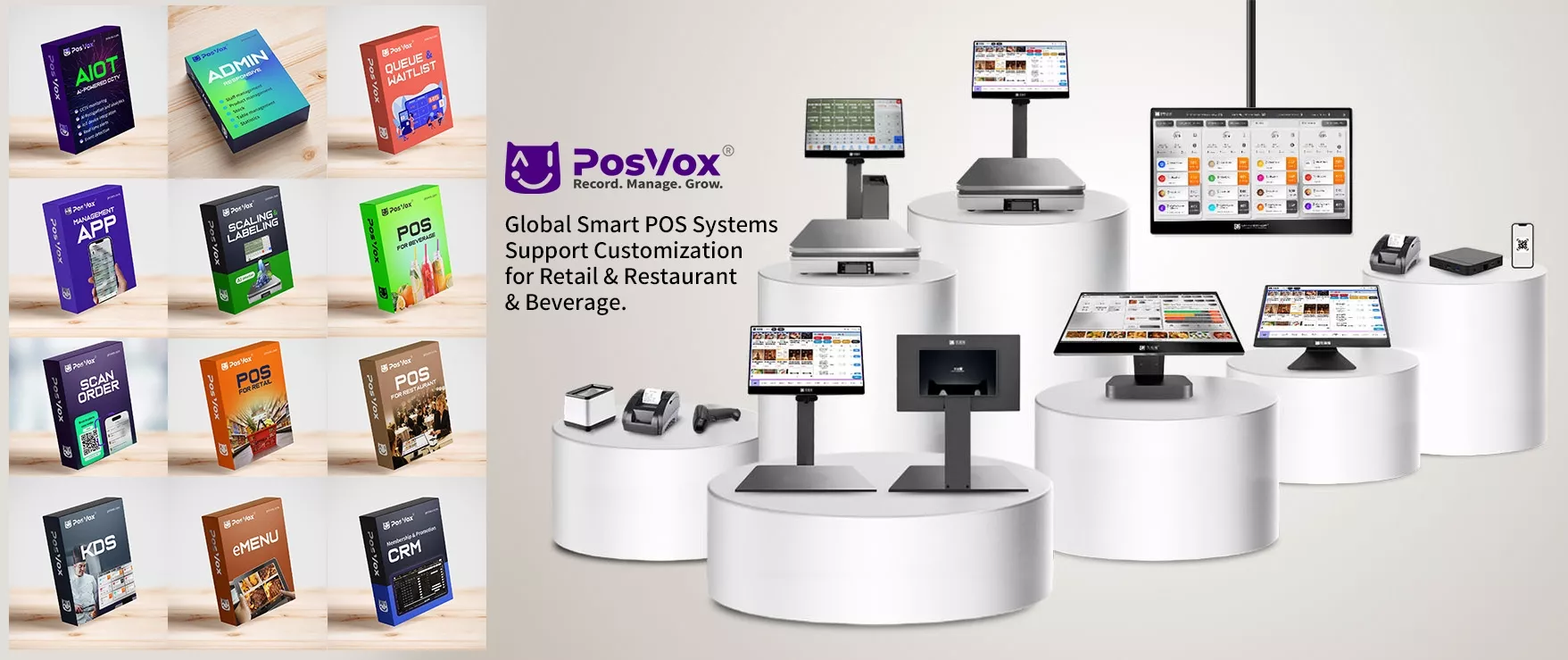
Success in the POS industry depends on reliable partners. A trusted POS machine OEM or China POS supplier can provide scalable terminals, countertop devices, and peripherals. Look for partners that offer customization options, technical support, and training, ensuring that your solution meets the demands of the local market. Collaboration is especially important for entrepreneurs without prior software development experience.
Step 3: Select or Develop POS Software
Hardware alone is not enough. Custom POS software is essential to provide seamless transaction processing, inventory tracking, and customer engagement. Many partners provide APIs or pre-built solutions that can be tailored to specific industries. Ensuring your software integrates with local payment gateways, accounting tools, and loyalty programs will enhance your competitiveness.
Step 4: Build Your Network
Leverage your experience in retail or restaurant operations to establish relationships with potential clients. Knowledge of industry workflows, pain points, and customer behavior allows you to offer targeted B2B POS solutions that improve efficiency and user experience. Early adopters often come from your own network, giving you a foothold in the market.
Step 5: Launch and Support Your Business
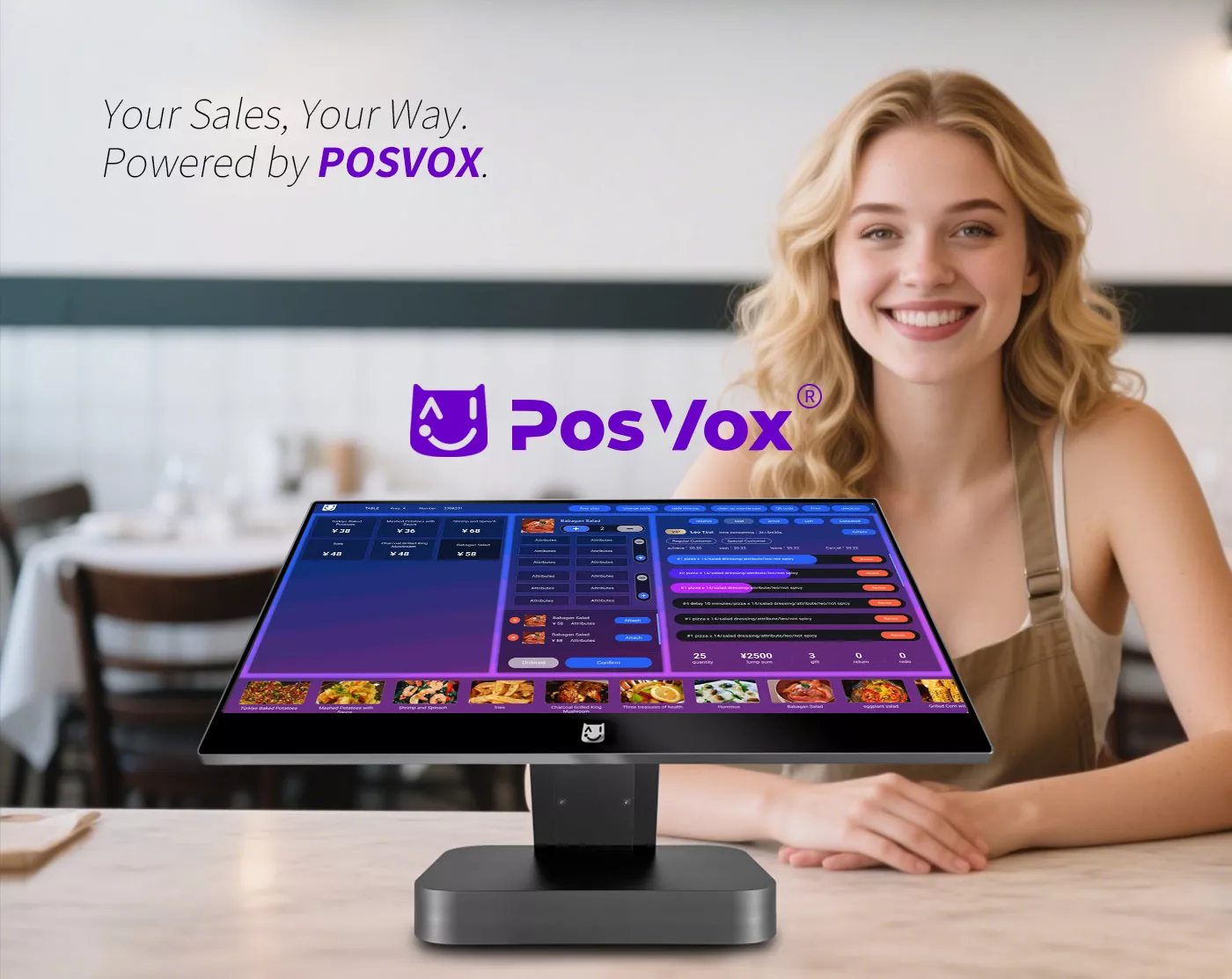
Once hardware and software are ready, focus on marketing and customer support. Offering training, after-sales service, and updates builds trust and ensures repeat business. Platforms like POSVOX demonstrate how a combination of high-quality POS machines and dedicated support can establish a strong presence in the competitive POS market.
Conclusion
Starting a POS business requires careful planning, the right partners, and an understanding of local market needs. By choosing a reliable POS hardware supplier, leveraging POS machine OEM capabilities, and integrating custom POS software, entrepreneurs can successfully enter the retail and restaurant POS markets.