
Starting Your Own POS Business: Tips for Retail and Restaurant Entrepreneurs
Entrepreneurs looking to start a POS business face a unique opportunity. With the rapid adoption of digital solutions in retail and restaurant industries, demand for POS terminals and custom POS software has never been higher. However, the combination of hardware and software integration can be challenging for newcomers.
Identify Your Niche
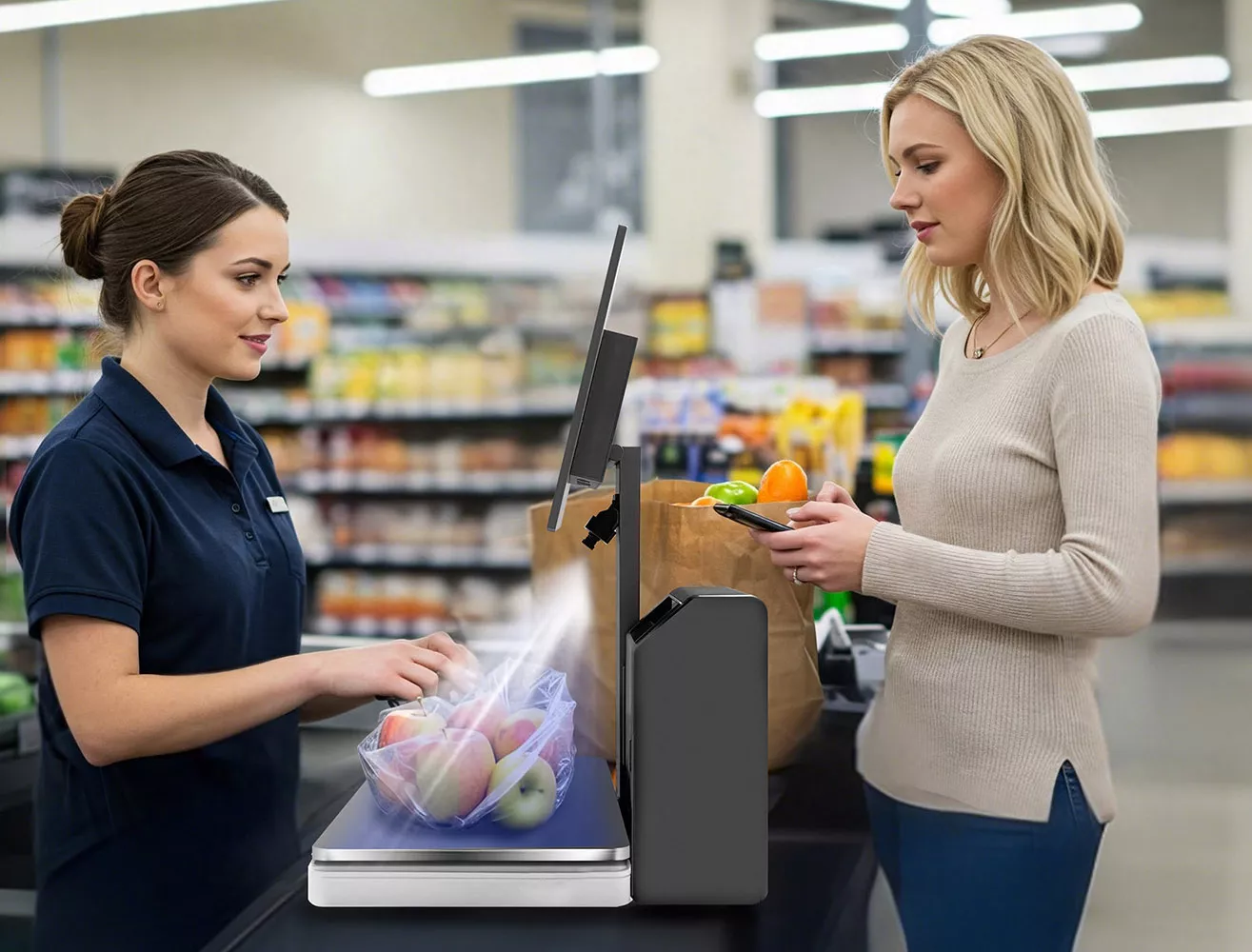
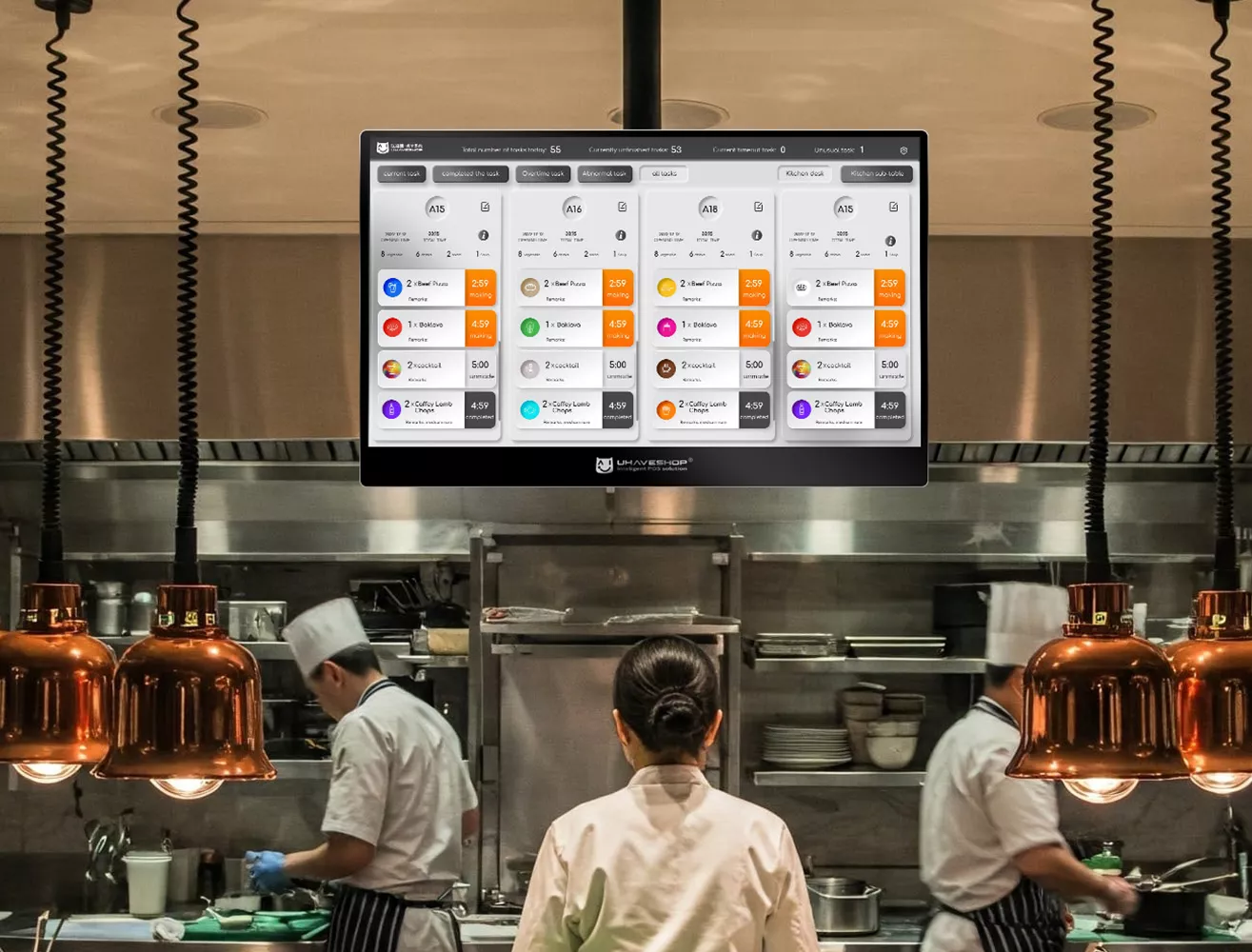
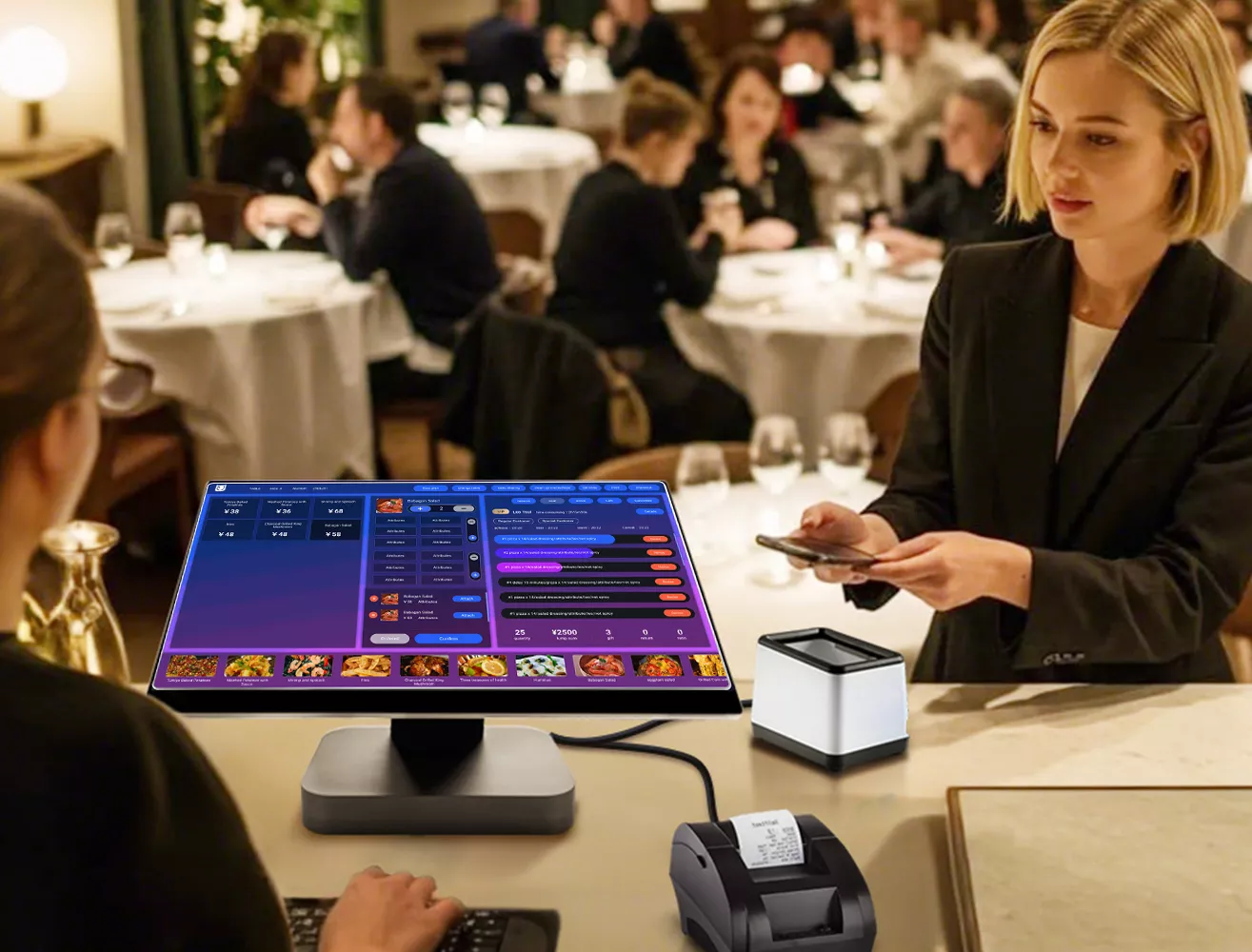
Before launching, define your target market. Will you focus on small restaurants, large retail chains, or multi-location franchises? Understanding your niche helps you select appropriate POS system manufacturers and design B2B POS solutions that meet client needs. For example, restaurants often require kitchen integration and mobile ordering, while retail stores may need multi-terminal setups and loyalty program management.
Find the Right POS Partner
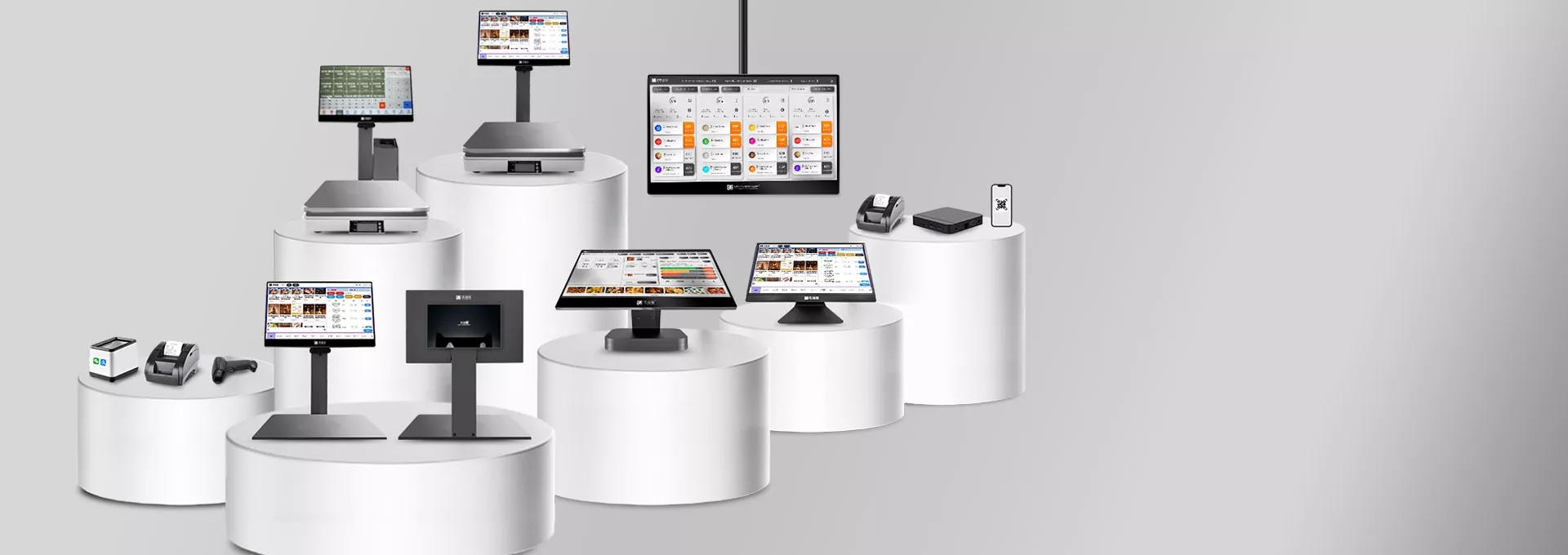
Partnering with a reliable POS hardware supplier or POS machine OEM is crucial. Choose a partner that offers flexible hardware options, scalability, and local support. Working with a China POS supplier can provide cost-effective solutions while maintaining high quality. Look for collaboration opportunities, such as co-developing features or customizing retail POS systems for your local market.
Leverage Your Industry Experience
Entrepreneurs with retail or restaurant backgrounds have an advantage. Your knowledge of operations, customer behavior, and pain points allows you to guide software development, ensuring custom POS software aligns with real-world needs. Additionally, existing networks provide a ready pool of potential clients for your POS terminal wholesale or B2B offerings.
Focus on Training and Support
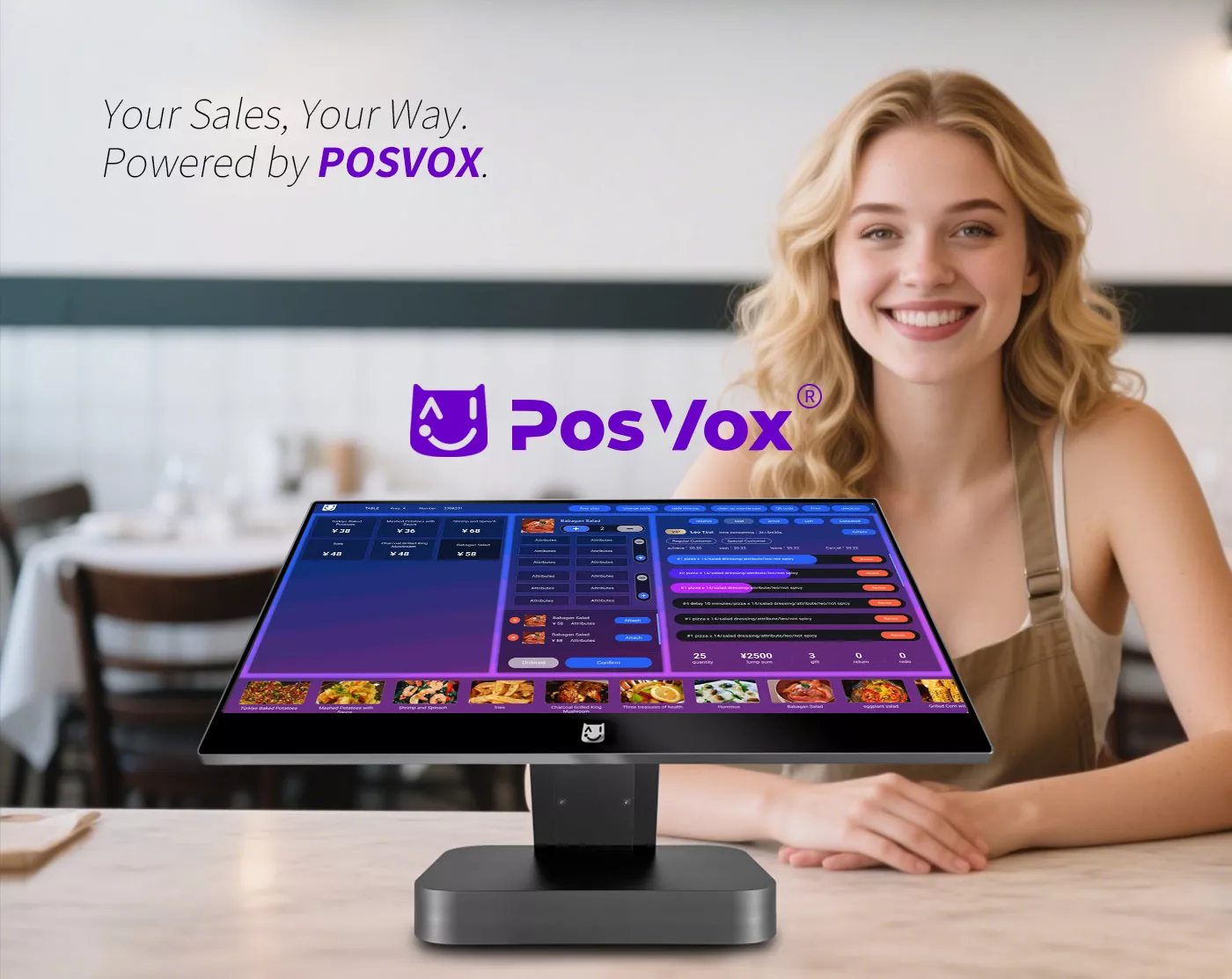
A POS system is only as effective as its user adoption. Providing training, technical support, and ongoing updates ensures client satisfaction and builds long-term relationships. Companies like POSVOX exemplify the importance of combining hardware quality with dedicated support to achieve business success.
Scale Strategically
Start with a few clients to refine your systems and processes, then gradually expand. By analyzing feedback and monitoring performance, you can improve software features, optimize hardware deployment, and enhance customer service. This approach reduces risk while building a strong reputation in the market.
Conclusion
Starting a POS business requires more than selling machines. Success depends on choosing the right POS hardware supplier, leveraging POS machine OEM capabilities, developing custom POS software, and providing exceptional support. For retail and restaurant entrepreneurs, these steps create a roadmap for launching a profitable and sustainable POS business.